Most people know Wakulla Springs for the glass-bottom boats, the swimming, maybe an alligator or two lounging on a log. What they don't know is there's a prehistoric graveyard down there. And the best thing that ever came out of it was a ten-foot-tall mastodon named Herman.
The Discovery
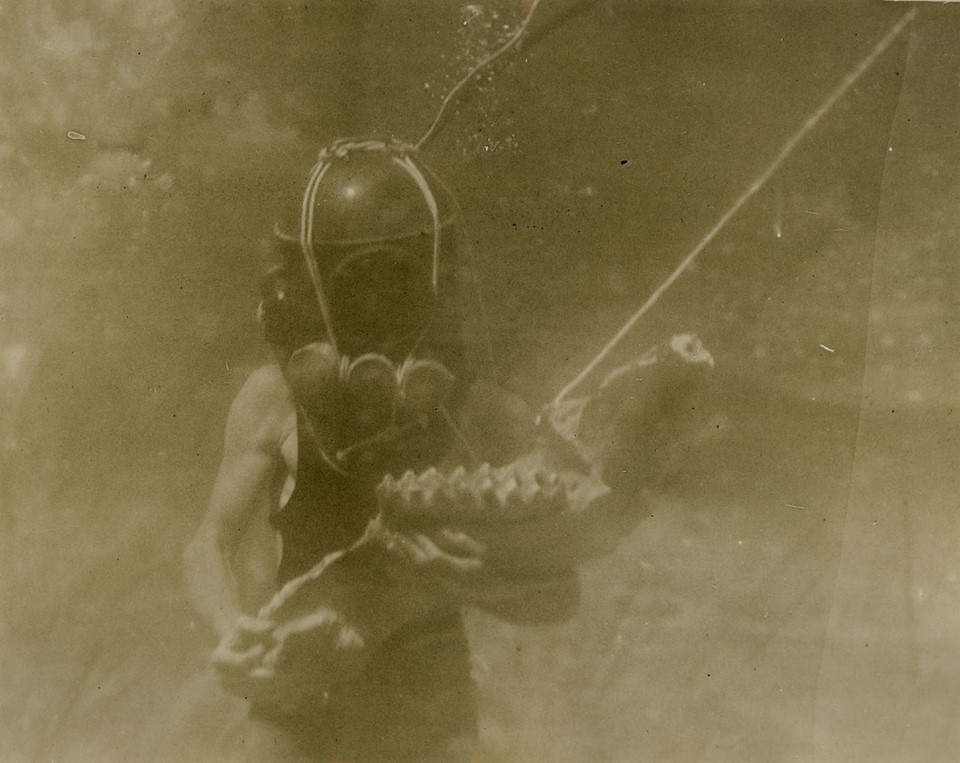
In 1930, while the rest of the country was dealing with the Depression, a dive team led by Ray V. Gier was poking around the bottom of the spring basin. Wakulla was already a tourist spot, but nobody really knew what was buried in the silt.
Working in the dark, about 80 feet down in the cold spring vents, the divers found a massive mineralized tusk sticking out of the mud. Over the next several months, they kept going back down to pull up bones. What they recovered turned out to be one of the most complete mastodon skeletons found in the Southeast.
Herman Wasn't a Mammoth
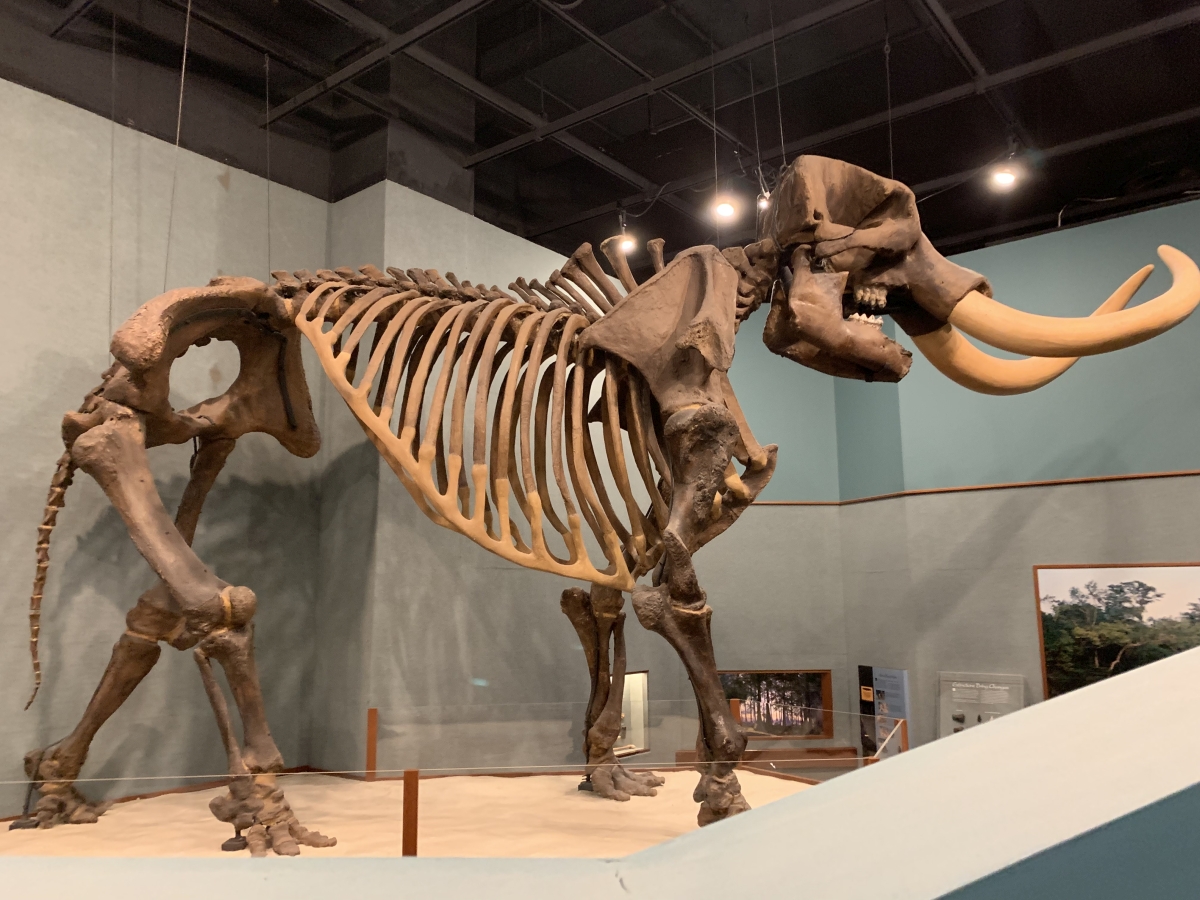
People mix this up constantly. Mammoths ate grass and lived on open plains. Mastodons (Mammut americanum) were different, shorter, stockier, built like tanks. They browsed on shrubs and evergreen trees and were well-suited for swampy terrain. The name "mastodon" actually means "breast tooth," which refers to the nipple-shaped bumps on their molars. Based on the wear on Herman's teeth, he was a mature adult, probably roaming the Panhandle somewhere between 10,000 and 15,000 years ago.
Getting Him Out
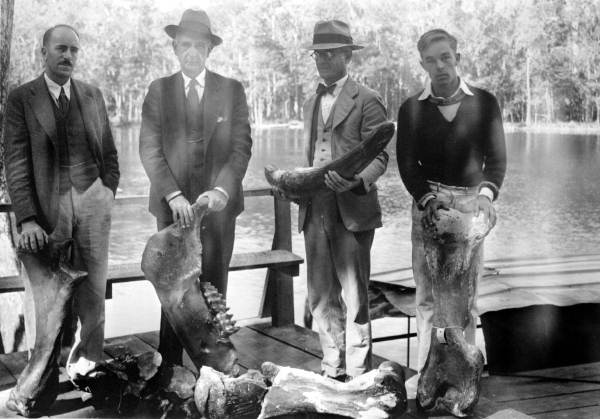
Pulling a multi-ton skeleton out of an underwater cave in 1930 was brutal work. The bones were waterlogged and fragile. Once they hit air, they had to be treated carefully or they'd crumble as they dried.
Edward Ball, the financier who owned Wakulla Springs at the time, funded most of the recovery. Herman wasn't the only thing down there; divers also found remains of giant ground sloths and ancient camels.
Where He Is Now
Herman ended up at the Museum of Florida History in downtown Tallahassee. He's been there for decades now, standing in the main gallery with his curved tusks. If you haven't seen him, it's worth the trip.


Comments
Join the conversation
Sign in or create an account to share your thoughts