
A Starter Guide ·
Welcome to Tallahassee.
Here's how to feel at home.
Stopping by for the weekend or planting roots? This is the field guide we wish someone had handed us: emergency numbers, hospitals, schools, where the city actually hangs out, and what to expect from the weather.
Chapter One
If something goes wrong
Save these numbers before you need them.
In an emergency
911
Police · Fire · Ambulance
Poison Control
Florida Highway Patrol
*FHP from mobile
Police, Sheriff & Government
Tallahassee Police (Non-Emergency)
Leon County Sheriff's Office
City of Tallahassee Utilities
"Tallahassee feels like a small town hiding inside Florida's capital, and that's the best thing about it."
Chapter Two
Where to go when you're hurting
Two full hospitals, a string of urgent cares, and one health department.
Tallahassee Memorial
Main hospital and ER. 1300 Miccosukee Rd. The big one north of midtown.
Visit websiteCapital Regional
Main hospital and ER. 2626 Capital Medical Blvd. South side of town.
Visit websiteUrgent Care
Patients First, CarePoint Health, CVS MinuteClinic, plus more. Most open daily.
Health Department
Florida Department of Health in Leon County. 2965 Municipal Way.
Visit websiteChapter Three
Getting around without getting lost
One airport, one bus system, the usual rideshare apps, and a town that mostly drives.
Tallahassee Intl. (TLH)
3300 Capital Cir SW. Small, walkable, with direct flights to several major U.S. cities.
Airport websiteStarMetro Bus
City public transit. Daily routes covering the urban core and FSU/FAMU campuses.
Routes & faresUber, Lyft & Taxi
Both rideshare apps work well here. Yellow Cab and City Taxi for traditional service.
Rental Cars
Available at TLH or around town: Enterprise, Hertz, Avis, and Budget.
Bikes & Trails
A growing network of bike-friendly routes, including the 16-mile St. Marks Trail.
St. Marks TrailGreyhound
112 W Tennessee St. Service to other Florida cities and beyond.
Greyhound website"You'll need a car. But the bike trail to St. Marks is one of the prettiest rides in Florida."
Chapter Four
Schools, colleges & libraries
A college town through and through, with two big universities, a community college, and good public schools.
Higher Education
Florida State · Florida A&M · TCC
FSU and FAMU sit shoulder-to-shoulder downtown. Tallahassee Community College serves the rest of the region.
K–12 & Libraries
LeRoy Collins Library
200 W Park Ave (main branch). Several neighborhood branches too.
Library websitePrivate & Charter Options
Maclay, Trinity Catholic, Holy Comforter, John Paul II, plus charter schools.
Chapter Five
What to do once you're here
State parks, museums, gardens, the longest canopy roads in the country, and a full events calendar of festivals, concerts, and seasonal happenings.
Maclay Gardens State Park
Brick paths, azaleas, a quiet lake. Best in March when the gardens bloom.
Plan a visitCascades Park
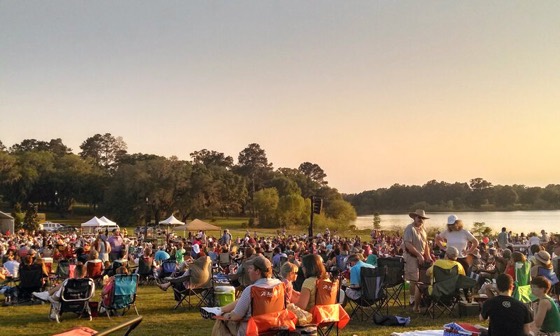
Downtown's outdoor living room: amphitheater, fountain, summer concerts.
Event calendarTallahassee Museum
52-acre living-history museum, native wildlife, zip line through the canopy.
Visit websiteLake Ella
Small lake with walking paths, picnic areas, and local coffee shops.
MapMuseum of Florida History
State history, artifacts, and exhibits in the heart of downtown.
Museum websiteChallenger Learning Center
Space education center and IMAX theater downtown.
Center websiteCollege Sports
FSU Seminoles and FAMU Rattlers, year-round athletics across major sports.
Local Festivals
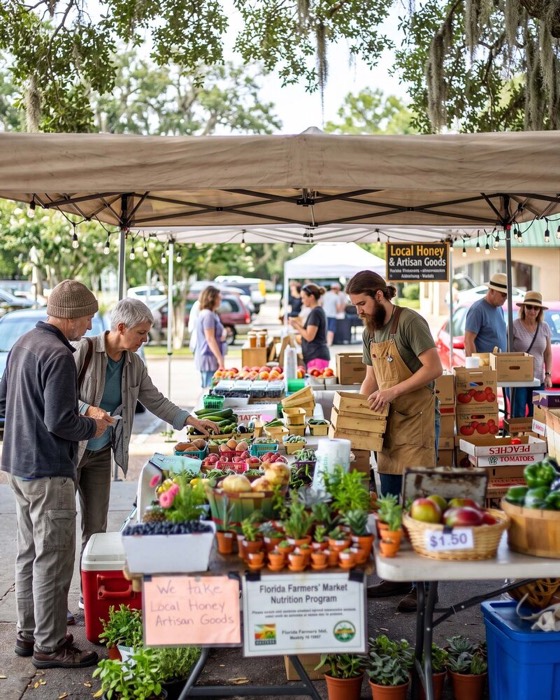
Word of South for literature and music, the Springtime Tallahassee Parade, and many more.
Shopping & Dining
Downtown, College Town, Midtown, and Bannerman Crossings for shops, restaurants, and entertainment. Browse local places on Tallahasseean.
Chapter Six
What the weather is actually like
Subtropical, humid, occasionally hurricane-y. Here is the year.
March – May
Spring
Azaleas, dogwoods, and the loveliest weeks of the year. Pack a light jacket for mornings.
June – August
Summer
90s and humid. Daily afternoon thunderstorms. Hurricane season is on.
September – November
Fall
Cooling off, football weather, golden light. Watch for late-season storms.
December – February
Winter
Mild and short. Highs in the 60s, occasional cold snaps. No snow.
June through November
Hurricane Season
Tropical storms and hurricanes are part of life here. Keep a supply kit with water, non-perishables, flashlights, and a battery radio. Have an evacuation plan and follow official channels.
Florida Disaster PreparednessWeather Resources
National Weather Service (Tallahassee)
Local forecasts, warnings, and tropical updates.
NWS TallahasseeMobile Alert Apps
FEMA and Florida Storms send push notifications for severe weather.
Frequently Asked
Visitors' questions, answered
The questions we hear most about visiting Tallahassee.
What's the emergency number in Tallahassee?
Dial 911 for police, fire, or ambulance. Poison Control is 1-800-222-1222. Tallahassee Police non-emergency: (850) 606-5800. Leon County Sheriff non-emergency: (850) 606-3300.
What hospitals are in Tallahassee?
Tallahassee Memorial Hospital (1300 Miccosukee Rd, 850-431-1155) and Capital Regional Medical Center (2626 Capital Medical Blvd, 850-325-5000) both have full emergency rooms. Urgent care is widely available, including Patients First, CarePoint, and CVS MinuteClinic.
How do you get around Tallahassee?
Most residents drive. StarMetro buses serve the urban core and the FSU/FAMU campuses. Tallahassee International Airport (TLH) is small and walkable, with direct flights to several major US cities. Uber and Lyft both work well. The St. Marks Trail is a 16-mile rail-trail south from town.
What universities are in Tallahassee?
Florida State University (FSU), Florida A&M University (FAMU), and Tallahassee Community College (TCC). FSU and FAMU sit shoulder-to-shoulder downtown; TCC serves the wider region.
What's there to do in Tallahassee?
Maclay Gardens State Park, Cascades Park, the Tallahassee Museum (with its canopy zip line), the Museum of Florida History, Lake Ella, the Challenger Learning Center, FSU and FAMU college sports, and local festivals like Word of South and the Springtime Tallahassee Parade.
What's the weather like in Tallahassee, Florida?
Subtropical and humid. Springs and falls are mild and pleasant; summers are hot (90s) with daily afternoon thunderstorms; winters are short and mild (highs in the 60s) with no snow. Hurricane season runs June through November.
Is Tallahassee safe?
Tallahassee is a mid-sized Southern capital with a safety profile typical of college towns: low-risk in residential neighborhoods and on the FSU/FAMU campuses, with common-sense awareness needed in late-night downtown and entertainment districts. Emergency services respond quickly across the metro.
Where should I stay when visiting Tallahassee?
Downtown and Midtown for walkability and dining; near FSU or FAMU for game-day weekends; Bannerman Crossings or Bradfordville on the north side for newer suburban hotels with easy access to I-10.
What is Tallahassee known for?
Tallahassee is Florida's capital city, home of FSU and FAMU, famous for its live-oak canopy roads and Spanish moss, the rolling Seven Hills, and the start of the Florida Trail at the State Capitol.